
Nigeria's fight against HIV, malaria and tuberculosis has long leaned on American money. The deal that keeps that money flowing is built to make Nigeria pay more each year, and to give the U.S. something it values in return.
The five-year memorandum of understanding was signed in Abuja on Dec. 19, 2025, but its full terms only came into public view this year. A detailed Premium Times review1 published Nov. 26 shows the U.S. plans about $2.08 billion in assistance from 2026 to 2030, while Nigeria commits about $3 billion in new domestic health spending. The U.S. Embassy called it "the largest co-investment any country has made to date" under the America First Global Health Strategy, in its announcement2.
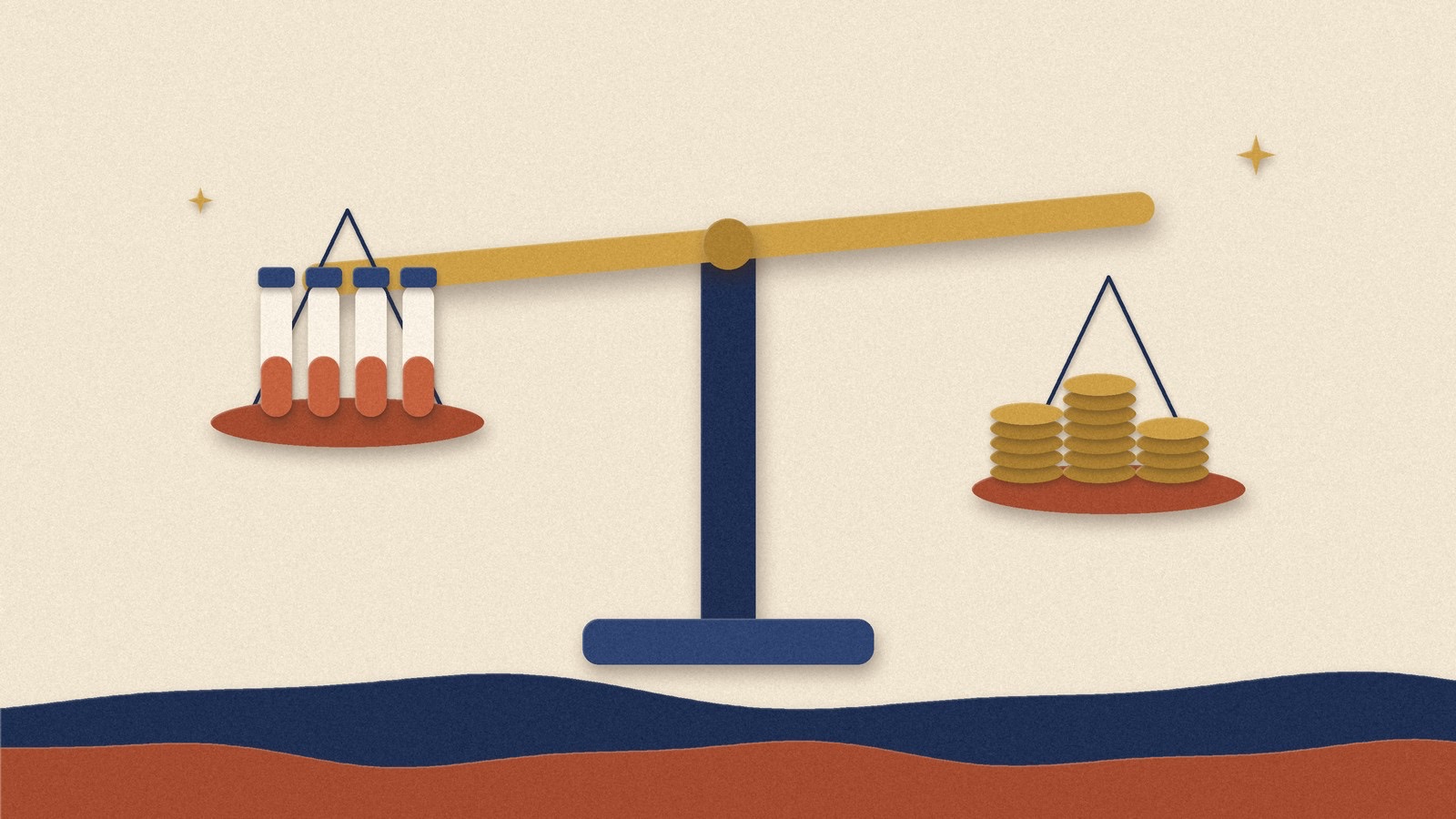
The money runs in opposite directions. U.S. funding is set at about $501 million in 2026 and falls to $237 million in 2030, while Nigeria's additional contribution rises from $345 million to about $845 million. That glide path is the template for a new kind of aid, and it matters well beyond Nigeria: the State Department says its bilateral health compacts now total more than $27.2 billion. What remains unclear is whether Nigeria's budget can keep pace, and how the specimen terms will be used.
U.S. aid falls as Nigeria's added spending rises
| Label | Value |
|---|---|
| U.S. assistance, 2026 | $501M |
| Nigeria's added spending, 2026 | $345M |
| U.S. assistance, 2030 | $237M |
| Nigeria's added spending, 2030 | $845M |
Nigeria's figures are increases over its 2025 health spending baseline.
Source: Premium Times review of the Nigeria-U.S. MOU (Nov. 26, 2026)
Miss the spending target and the U.S. money shrinks
The memorandum ties each U.S. dollar to Nigerian performance. Using 2030 as an example, Premium Times reports that if Nigeria raises health spending by $720.3 million instead of the planned $845.4 million, U.S. assistance could fall by $100 million, from about $236.9 million to $136.9 million. Only government-raised money, including loans, counts toward Nigeria's share. Donor grants do not.
Health Minister Muhammad Ali Pate, who signed for Nigeria, has argued that this design forces discipline on a government whose health budgets have often been announced and then underspent.
Under the MoU, however, Nigeria's co-investment is measured by actual expenditure: at least 6 per cent of executed annual federal and state budgets for health, not by budget announcements alone.
Muhammad Ali Pate, Coordinating Minister of Health and Social Welfare, in an Oct. 17 op-ed in Premium Times
The deal also shifts people onto Nigeria's books. The U.S. will support 25,696 frontline health worker positions in 2026, with its share declining until Nigeria takes them over by 2030. Electronic health records are due in 20% of facilities in 2026 and all of them by 2030.
What Washington gets: specimens within five days
The terms drawing scrutiny sit in a separate specimen-sharing agreement. Nigeria must begin sharing requested biological materials within five days of a U.S. government request unless both sides agree otherwise, and the U.S. may pass specimens and related data to American non-governmental groups developing diagnostics and medical countermeasures, notifying Nigeria in writing when it does, according to Premium Times.
Other governments balked at similar terms. Premium Times reports Zimbabwe withdrew from negotiations in February 2026 over concerns about sensitive health data and biological resources, and Ghana rejected its proposed agreement in April. In Nigeria, a suit challenging the deal is pending before Justice Peter Lifu of the Federal High Court and has been adjourned to February 2027. Pate has said the agreement is legally non-binding, recognises Nigerian law and lets either side discontinue cooperation.
The embassy's release adds a political layer. It says about $200 million is dedicated to Christian faith-based health facilities, which it said serve more than 30% of Nigeria's 230 million people.
The Nigeria compact in numbers
| Label | Value |
|---|---|
| Planned U.S. assistance, 2026 to 2030 | $2.08B |
| Nigeria's new domestic health spending | ~$3B |
| Deadline to start sharing requested specimens | 5 days |
| Health worker posts the U.S. supports in 2026 | 25,696 |
Source: Premium Times review of the MOU (Nov. 26, 2026); U.S. Embassy Abuja (Dec. 2025)
Nigeria is the biggest test of a $27 billion model
As of Oct. 8, the State Department had signed 36 bilateral health memoranda worth more than $27.2 billion, including more than $16.1 billion in U.S. assistance and more than $11.1 billion in co-investment from recipient countries, according to its release3 on the Zambia compact. The embassy called Nigeria's the largest co-investment when it was signed, which makes it the clearest test of whether a declining aid schedule can work in a country of 230 million people.
What to watch next
- February 2027: the next hearing in the Federal High Court suit challenging the agreement.
- 2027 budget cycle: whether Nigeria's executed health spending meets its rising 2027 target and the 6% floor Pate described.
- First specimen requests: any disclosure of what the U.S. asks for and which American groups receive materials.
- Other compacts: whether more governments follow Ghana and Zimbabwe in rejecting the specimen terms.